
Ambassador Animals
Meet Our Ambassador Animals
Ambassador animals star in our Education Programs, helping build connections and empathy for wildlife while promoting ways to take conservation action. Guests have the opportunity to meet these animals through engaging, close-up experiences during camps or around the zoo (thanks to trained volunteers)!
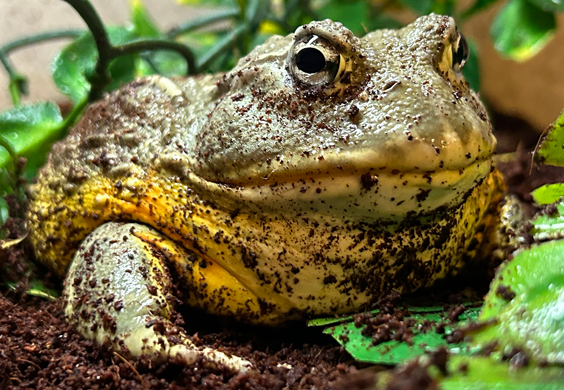
African bullfrog
Pyxicephalus adspersus
Status: Least Concern
African bullfrogs are excellent hunters and will eat anything that can fit in their large mouths.
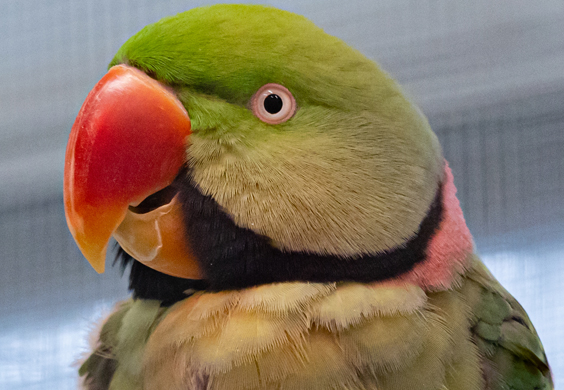
Alexandrine parakeets
Psittacula eupatria
Status: Least Concern
These birds are brilliant animals, known to imitate human speech!
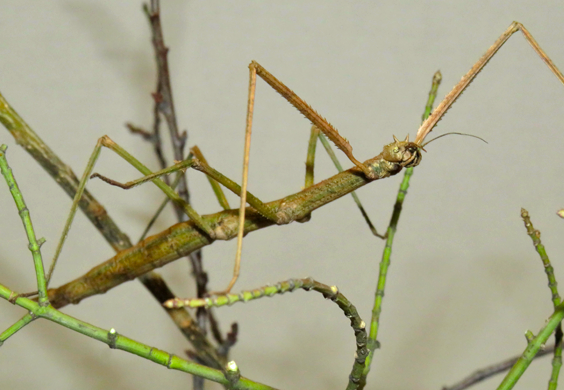
Annam walking sticks
Medauroidea extradentata
Status: Least Concern
Stick insects can ‘clone’ themselves, reproducing by laying unfertilized eggs that hatch in two months.
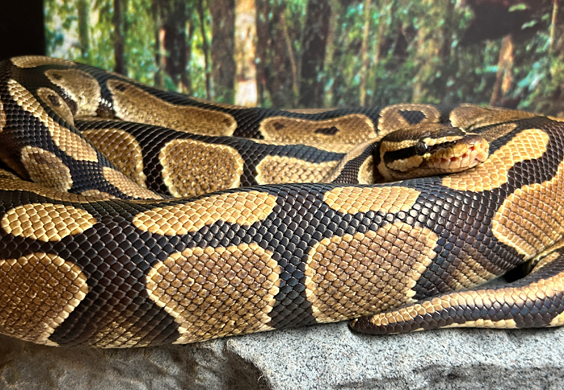
Ball python
Python regius
Status: Near Threatened
Ball pythons like Monty are capable of eating anything twice the size of their head!
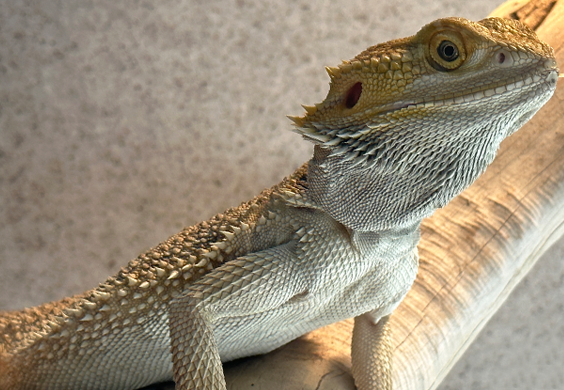
Bearded dragon
Pongona vitticeps
Status: Least Concern
Considered one of the most popular pet reptiles, bearded dragons communicate by changing the color on their throat pouches.
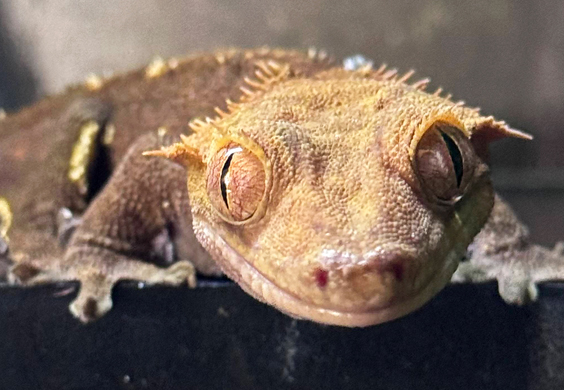
Crested geckos
Correlophus ciliatus
Status: Vulnerable
Little is known about these island lizards. They were thought to be extinct for over 100 years until being redocumented in 1994!
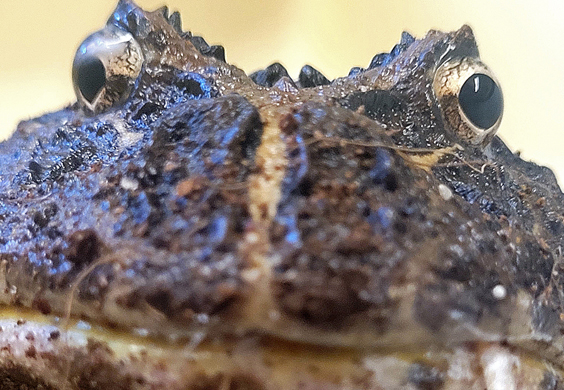
Ornate horned frog
Ceratophrys ornata
Status: Near Threatened
A huge, gaping mouth has earned these amphibians a fun nickname: the “Pacman frog”!
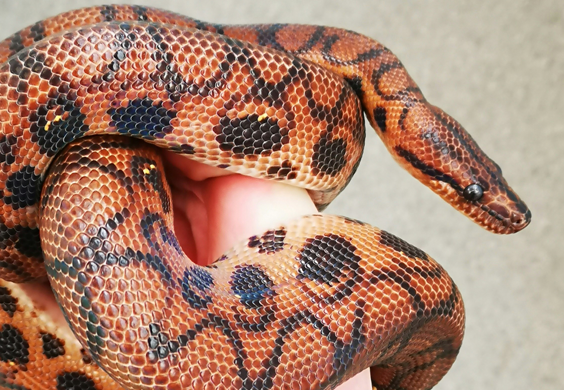
Rainbow boa
Epicrates cenchria
Status: Least Concern
In the sunlight, rainbow boas have a prism-like shimmering shine that helps with camouflage and deters predators.
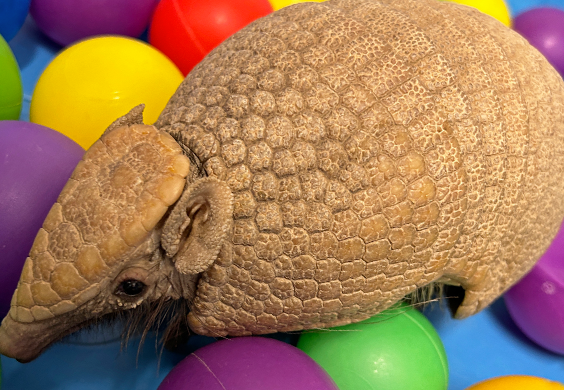
Southern three-banded armadillo
Tolypeutes matacus
Status: Near Threatened
Arrow stays safe with her bony armor and the ability to roll into a ball. She tip-toes on ballet-slipper-like feet at surprising speeds.
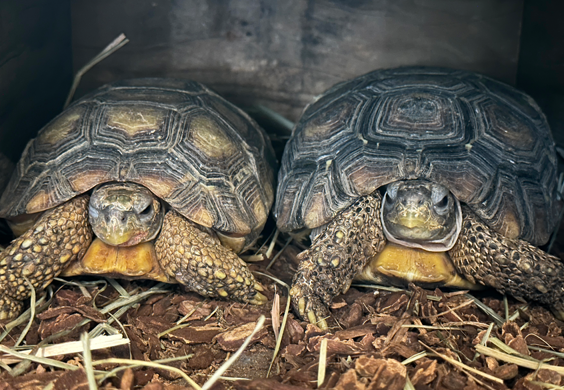
Spike's Hinge-back Tortoises
Kinixys spekii
Status: Least Concern
As the name implies, these tortoises have a section on the back of their shell that can hinge down to fully protect their backside.