Zoo Boise, a division of Boise Parks and Recreation, is committed to providing exceptional, compassionate care for every animal that calls the zoo home. As animals age, that care often becomes more specialized, which is currently the case for one of the zoo’s most beloved residents, Sabu.
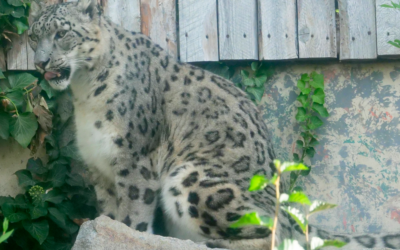
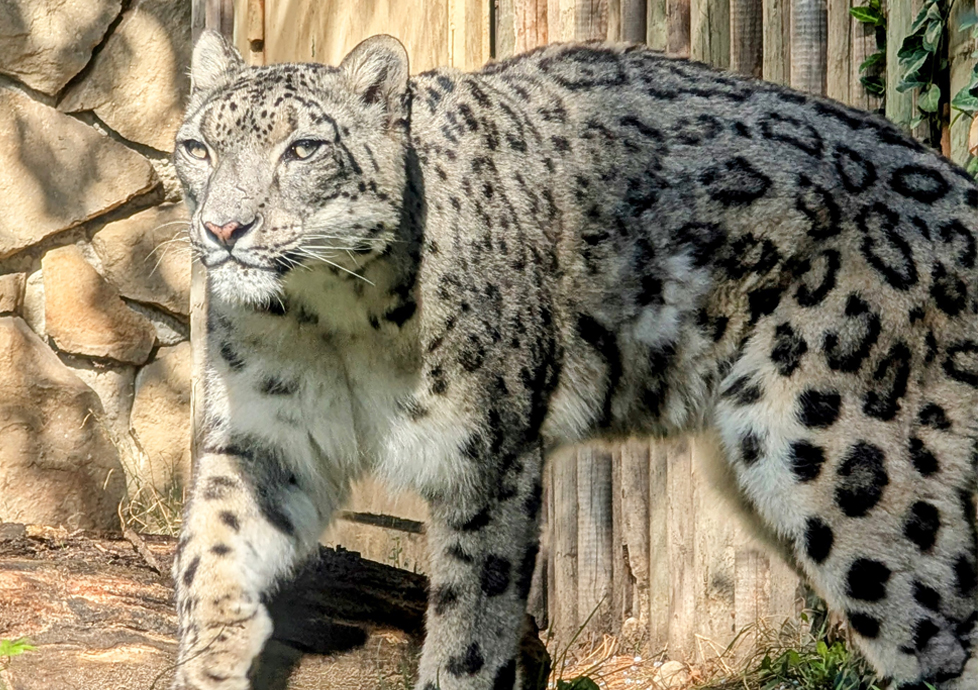
Sabu, a 12-year-old male snow leopard, is considered a senior cat and is currently receiving treatment for several age-related health conditions. Guests visiting the zoo may notice some physical changes in Sabu, including weight loss and small bald areas on his tail. The bald patches on Sabu’s tail allow his veterinary team to collect blood samples safely and comfortably as part of his ongoing treatment plan. These regular diagnostic tests help monitor his health and ensure his care can be adjusted as his needs change.
Like many senior cats, Sabu is living with several chronic age-related conditions, including kidney disease, which is common in older felines and can contribute to challenges such as weight loss and dehydration. Zoo Boise’s veterinary and animal care teams closely monitor his condition every day and continually adjust his treatment plan to support his comfort, wellbeing, and quality of life.
“Sabu has touched the hearts of our staff and our community for years, and ensuring he receives the very best care is our highest priority,” said Boise Parks and Recreation Director Sara Arkle. “I want to thank our dedicated Zoo Boise staff members for the extraordinary compassion, expertise, and commitment they show every single day. They continuously adapt Sabu’s care plan to meet his changing needs, always with a focus on his health and quality of life. While it can be difficult to watch an animal grow older, it is also a privilege to provide the individualized attention and dignity that every animal at Zoo Boise deserves.”
Sabu receives comprehensive veterinary care, including regular examinations, frequent weight monitoring, ultrasound evaluations by veterinary radiology specialists, medications, nutritional supplements, and supportive fluid therapy. His care team has also incorporated additional hydration into his daily routine by adding water to his whole-prey diet and offering blood-flavored ice treats to encourage fluid intake.
To help keep Sabu comfortable during the warmer summer months, his care team recently shaved small portions of his abdomen to help dissipate body heat. He also has access to sprinklers, fans, shade, and cool indoor spaces throughout the day. Like all animals at Zoo Boise, Sabu has the freedom to choose where he spends his time and may elect to remain in his indoor habitat, particularly during periods of hot weather.
Wild animals naturally mask signs of discomfort or illness, an instinct that helps protect them from predators in their native environments. Because of this, Zoo Boise’s animal care and veterinary teams rely on daily observations, routine physical examinations, and advanced diagnostic testing to identify even subtle changes in Sabu’s health and wellbeing.
Born in 2014, snow leopard Sabu arrived at Zoo Boise in 2020 and quickly became a guest favorite. Through his calm personality and striking appearance, he has inspired countless visitors to learn about snow leopards and the conservation challenges facing this vulnerable species in the wild.
During Sabu’s senior years, the Zoo Boise team remains dedicated to providing the highest level of individualized care possible. His health, comfort, and wellbeing remain the zoo’s top priorities, and his dedicated team will continue to monitor his condition closely while ensuring he receives the specialized attention he deserves.
Zoo Boise will continue to share updates on Sabu’s condition as appropriate and our team appreciates the community’s ongoing support for one of the zoo’s most beloved ambassadors.
About Zoo Boise
Zoo Boise is a division of the City of Boise’s Parks and Recreation Department and is supported by the Friends of Zoo Boise, a 501(c)(3) membership organization that supports Zoo Boise in the area of animal acquisition, capital improvement projects, education programs, volunteer opportunities, and special events. The goal of each of these components is to increase public awareness, knowledge, and appreciation of the zoo, wild animals, animal habitats, species conservation, and the environment.